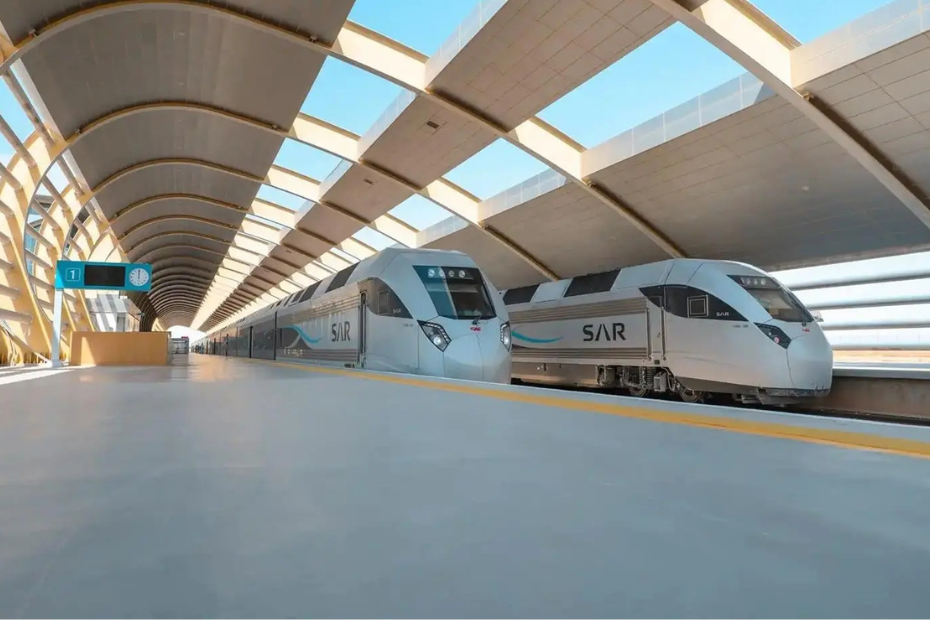
Saudi Arabia is entering a new phase of transport infrastructure development as railways and urban transit projects regain momentum after years of recalibration.
With economic diversification, logistics efficiency, and quality-of-life improvements high on the national agenda, authorities are repositioning rail and metro systems as critical enablers of growth rather than standalone transport assets.
Across intercity corridors, freight networks, and urban centers, a series of coordinated initiatives is reshaping how people and goods move across the kingdom. These efforts reflect a broader shift toward long-term infrastructure planning under Saudi Vision 2030, as policymakers seek to unlock productivity gains, reduce congestion, and integrate transport systems with airports, industrial zones, and population centers.
At the center of this transformation is Saudi Arabia Railways (SAR), which is overseeing major upgrades to passenger capacity, operational efficiency, and regional connectivity, while urban authorities move to revive long-delayed metro developments. Together, these projects illustrate how transport investment is increasingly viewed as a strategic economic lever, one that supports trade, tourism, labor mobility, and urban competitiveness.
Riyadh–Jeddah land bridge to be delivered in phases
One of the most strategically significant projects remains the Riyadh–Jeddah Land Bridge, designed to connect the capital with the Red Sea coast through a high-capacity rail corridor. Speaking on the television program Fi Al Surah (“In the Picture”), SAR CEO Bashar bin Khalid Al-Malik said the project will be delivered through a new phased mechanism, with completion expected before 2034.
Al Malik confirmed that no agreement has been reached with a Chinese alliance previously linked to the project, citing the consortium’s failure to meet local content requirements. The shift highlights SAR’s emphasis on localization, domestic value creation, and compliance with national procurement standards as it advances large-scale infrastructure initiatives, a Saudi Gazette report said.
Despite the revised delivery approach, the land bridge remains a cornerstone of Saudi Arabia’s rail strategy, expected to enhance freight movement between industrial hubs and ports while supporting faster passenger travel between two of the kingdom’s most economically significant cities. More