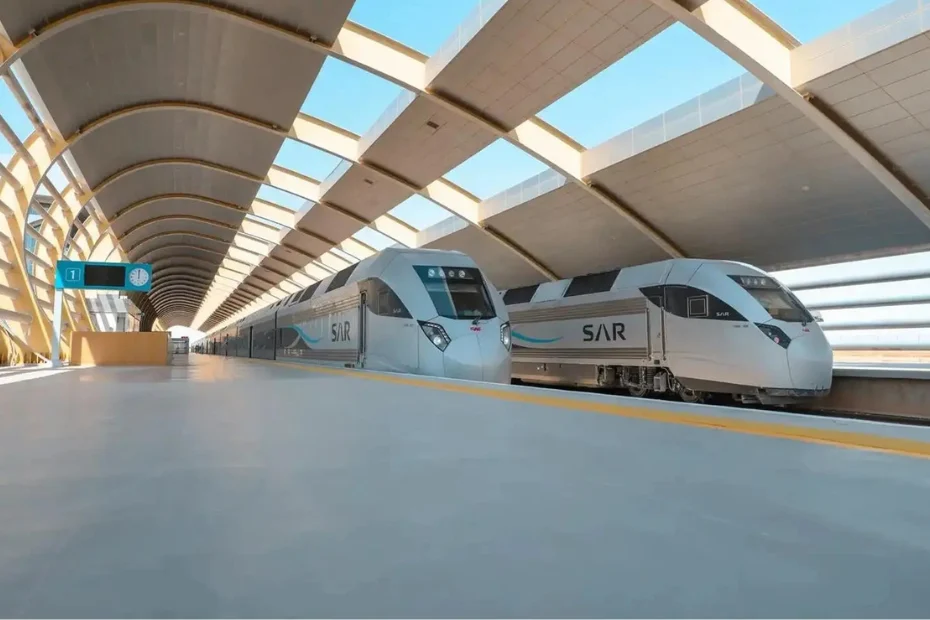
Feasibility studies and preliminary designs for the Makkah Metro have also been completed, laying the groundwork for a seamless urban transport system
Plans to build a new airport and a metro system in Makkah are moving ahead, signaling a major upgrade to the city’s transport and infrastructure, a senior official confirmed.
Saleh Al Rasheed, CEO of the Royal Commission for Makkah City and the Holy Sites, told Harvard Business Review that the strategic and economic directions for developing Makkah Airport have been approved, according to a report by Saudi Gazette. The airport is being designed to meet global standards and accommodate millions of visitors annually.
“We will work with the private sector to develop suitable investment models without affecting the feasibility of airports in neighboring cities,” Al Rasheed said.
Feasibility studies and preliminary designs for the Makkah Metro have also been completed, laying the groundwork for a seamless urban transport system.
Beyond transport: Improving resident and visitor experience
Al Rasheed emphasised that the commission is pursuing broader initiatives to enhance the experience of residents and visitors. Projects span housing, infrastructure, and public services, all aligned with community needs.
“Our key performance target is to raise satisfaction levels among residents and visitors to 90.5 per cent by 2025,” he said.
A centerpiece of these efforts is the “Smart Makkah” program, which uses artificial intelligence to monitor and manage crowd movement in the Grand Mosque and surrounding areas. The system integrates predictive analytics for crowd flow at the Jamarat Bridge and central zones, combined with aerial imaging linked to the “Balady” application to enhance the pilgrim experience.
Transport upgrades in the city
Transport improvements are already underway. The city has advanced bus, taxi, and guided transport systems, including the launch of “Makkah Taxi,” which features modern vehicles equipped with tracking systems, electronic payment, and hybrid or electric options.
The Makkah bus network now operates 400 buses across 12 routes, covering 430 stops and four main stations in central areas.
“Since operations began in February 2022, service users have exceeded 185 million passengers, with more than 3.8 million trips completed,” Al Rasheed said.
Major sections of the first, second, and third ring roads have been completed, linking key routes to the Grand Mosque and other holy sites, including King Abdulaziz Road and Ibrahim Al Khalil Road. City entrances have also been upgraded to support smoother traffic flow. More